Strengthening healthcare in the Kaironk Valley
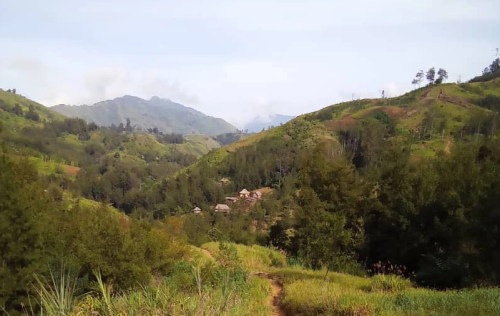
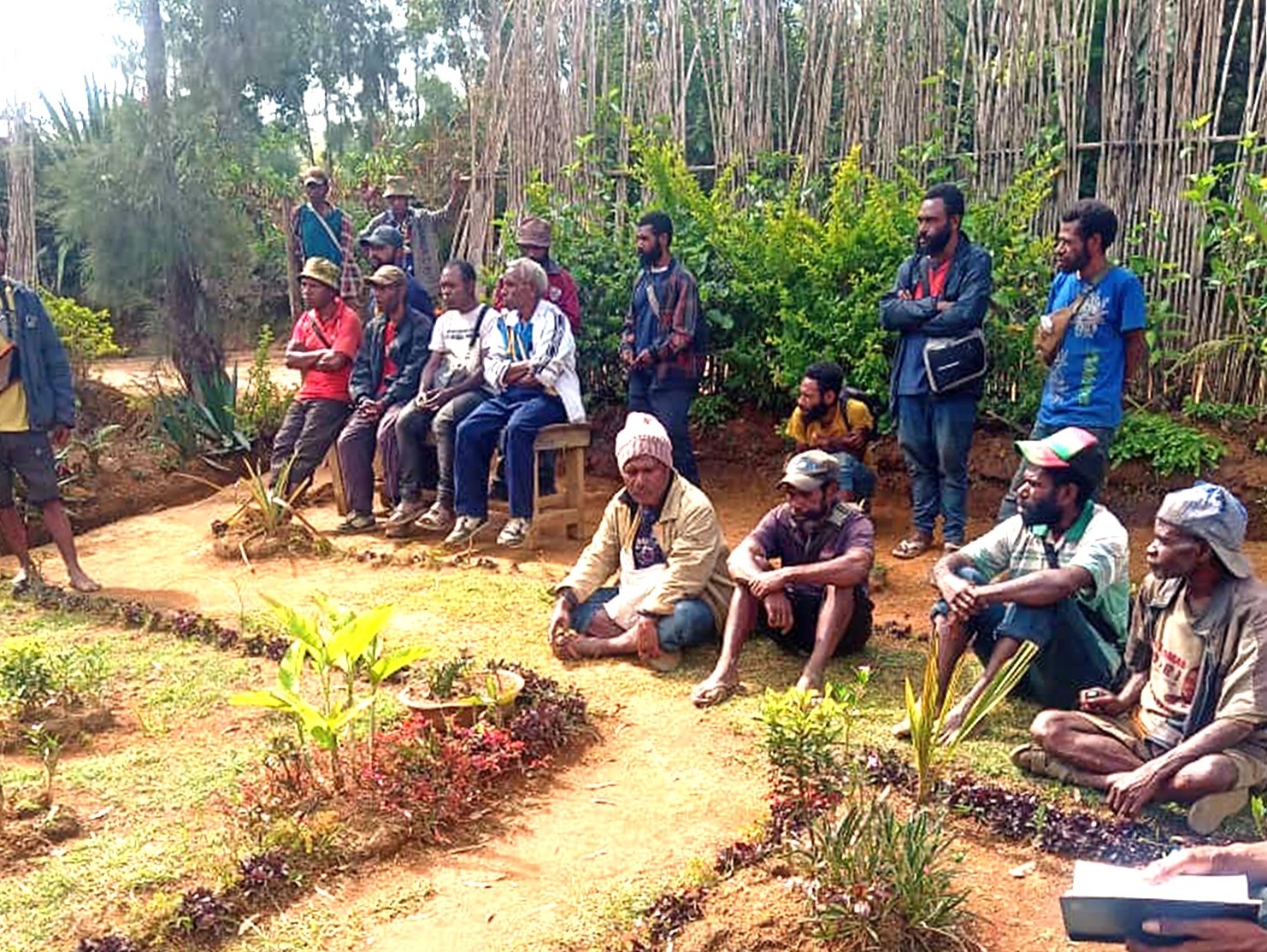
The Kaironk Aid Post provides essential healthcare for up to 10,000 residents living across a remote mountain area of rural Papua New Guinea. For many people in this community, accessing timely diagnosis and treatment for tuberculosis (TB) remains extremely difficult.
TB is one of the world's leading infectious diseases, and Papua New Guinea is among the countries carrying a particularly high TB burden. National estimates indicate an annual incidence of more than 400 cases per 100,000 people, while reaching people living in remote and isolated communities remains a significant challenge.
For communities such as those in the Kaironk Valley, the reality can be very different from what national figures suggest.
Working locally to address critical gaps
The Kaironk project is locally run and works with the Madang Health Department to strengthen TB testing, improve clinical infrastructure, and train community representatives.
However, significant gaps remain.
The aid post still needs more consistent access to medicines and diagnostic equipment, as well as health officers with the training required to manage TB effectively. Essential infrastructure, including reliable power and water supplies, is also lacking. Communication and network access remain limited, making it harder for clinic staff, community representatives and villagers to coordinate with provincial health authorities.
These challenges are interconnected. Without reliable infrastructure, equipment, trained personnel and communication, providing consistent healthcare to a remote population becomes extremely difficult.
What your support will help provide
Funds raised through this initiative will help address these practical needs, including:
Testing equipment and reliable medicine supply lines, helping the clinic improve its ability to identify and manage TB cases.
Essential infrastructure, including solar power and water reticulation to strengthen the clinic's basic operating capacity.
Training for a dedicated TB-competent health worker, building local capacity to support patients and manage TB within the community.
Housing and facilities for medical workers, clinical activities and patients.
Communication resources, allowing clinic staff, the local committee and villagers to better coordinate with provincial health authorities.
All funds raised are sent directly to the Kaironk Aid Post and overseen by the local committee. This local oversight is intended to help ensure that funding is directed towards the community's most important needs and contributes to a healthcare service that can operate reliably and sustainably.
The challenge of reaching remote communities
The scale of TB in Papua New Guinea is documented by the World Health Organization (WHO) through its Tuberculosis Country Profile for the country. These figures demonstrate the serious impact of TB nationwide.
However, national statistics do not necessarily capture the full picture in remote rural communities.
Much of the available data is based on areas where diagnostic facilities, reporting systems and access to medicines are already established. In remote areas such as the Kaironk Valley, TB cases may go unreported because local testing facilities do not yet meet the Health Department standards required for official documentation.
Similarly, data describing access to treatment reflects where medicines are currently available — primarily in established towns and population centres.
This creates a significant gap between what can be measured and what may actually be happening in isolated communities.
Building a stronger local healthcare system
Improving TB outcomes in the Kaironk Valley requires more than a single piece of equipment or a short-term supply of medicine. It requires the underlying infrastructure and local capacity that allow health workers to test, diagnose, treat, monitor and communicate effectively.
By strengthening the Kaironk Aid Post with appropriate equipment, reliable power and water, trained health workers, accommodation and better communications, we can help create a stronger and more sustainable pathway for healthcare delivery in this remote community.
Your support will help the Kaironk Aid Post build the capacity it needs to serve its community and respond more effectively to tuberculosis in one of Papua New Guinea's most remote regions.
 Story